3rd Day Treatment Center
 Sponsored
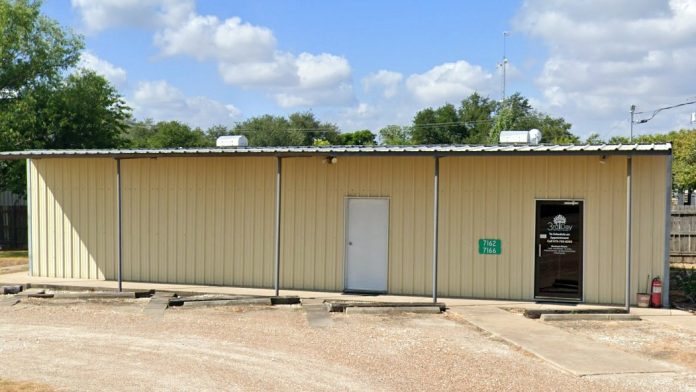
About 3rd Day Treatment Center
3rd Day Treatment Center is an outpatient substance use provider serving adults and their families affected from drug and alcohol misuse, abuse and dependence.
This program offers counseling, 12 step programs, dual diagnosis support and relapse prevention education for a range of substance use concerns, including alcohol and opioid addiction.
The center promotes whole person healing across emotional, mental, physical, social, spiritual and vocational areas of life.
Outpatient Addiction Recovery in Bryan, Texas
3rd Day's core focus is outpatient and intensive outpatient care that lets clients live at home while building real recovery skills.
The program blends a 12 step orientation with practical work like coping strategies, boundary setting, self care, interpersonal skills and addiction education.
In treatment, clients engage in individual counseling, group support and relapse prevention planning designed to address both the roots of addiction and everyday challenges clients face.
The program uses cognitive behavioral therapy and EMDR along with art therapy, yoga, meditation and spiritual support to treat the whole person of each client.
Aftercare and Long Term Recovery Support
Before clients exit the program, they receive individualized plans that may include recovery support and sober living referrals.
To help make the transition to lasting recovery smoother, clients receive referrals to care in the community.
Payment Options at 3rd Day Treatment Center
3rd Day Treatment Center provides in person outpatient care from its Bryan, Texas location, with dual diagnosis support for co occurring mental health needs.
The center reports accepting private insurance and offering self pay and sliding scale assistance.
Amenities
Art and music are mediums that connect with our feelings, making them a great recovery tool during addiction treatment. Studies show that combining art/music and drug rehab can have a greater therapeutic impact than drug rehab alone, as you’re able to access parts of your brain and body that you may not have access to during traditional talk therapy. Benefits of art/music therapy include lowering stress and anxiety, promoting healthy neurochemicals, and providing stress relief.
The massage room offers a wealth of benefits as part of an overall evidence-based drug and alcohol recovery program. Massage therapy boosts blood flow and flushes lactic acid from the muscles, and the vascular benefits last several days after the massage.
Yoga and meditation are great activities to support your recovery process during alcohol or drug rehab. These therapies have been around for centuries, and they are an effective way to improve well-being. Combining addiction treatment, yoga, and meditation can reduce cravings, improve sleep, relieve anxiety and depression, provide stress relief, promote relaxation, support emotional healing, and improve energy levels.
Private drug rehab provides a comfortable, secure environment that allows you to focus on doing the work to get your life back on track. Benefits include a higher staff-to-client ratio, increased one-on-one time with therapists and healthcare providers, private rooms for clients, and customized forms of therapy.
Treatment centers with a yoga studio offer a special form of holistic therapy during the recovery process. Yoga boosts mindfulness, a sense of calm, and healthy reflection during drug rehab via breathing exercises, stretching, and a progression of specific postures.
Addiction Treatment Programs
The Lone Star State offers a host of options for those in search of an adult program in Texas. From inpatient to outpatient care, adults can find a program that meets their needs for effective treatment of substance use issues.
When you enter alcohol rehab in Texas, you’ll find support systems to help you on your recovery journey. Professional counselors, physicians, and other people in recovery provide services and support to help you make changes and learn how to enjoy a sober lifestyle.
The goals of cognitive behavioral therapy in Texas include evaluating thoughts and changing thinking patterns that are leading to substance use. This treatment helps participants understand their motives and problem-solve to work through challenges without the use of substances.
EMDR Therapy is a neurobiological treatment modality used to address trauma disorders and related mental and behavioral health challenges. Short for eye movement desensitization and reprocessing, EMDR is designed to help clients cope with distressing memories and emotions, including fear, sadness, and anger. EMDR may help clients in addiction recovery manage the psychological and emotional triggers that contribute to substance misuse and/or addiction relapse.
Men’s rehab in Texas can create an environment that makes men more comfortable. Many men in Texas seek out this type of treatment for its gender-specific benefits.
Through therapy, counseling, and medication assisted treatment, individuals in opioid rehab in Texas gain the skills they need to live a healthier life. The goal is to help you take control of your life and prevent relapse.
Rational emotive behavioral therapy in Texas follows a model used to guide clients to change their behaviors and achieve recovery. The model involves identifying an activating event, beliefs about that event, and how those beliefs lead to consequences.
Many gender-specific issues must be addressed during addiction recovery. Women’s rehab in Texas provides the appropriate support for women’s challenges such as body image, motherhood, and trauma.
The goal of a young adult program in Texas is to set young people free from the effects of addiction and give them the skills they need to successfully navigate early adulthood. This is accomplished with age-appropriate settings, therapies, and activities.
Levels of Care
Outpatient rehab in Texas provides a means for addition treatment while you live at home. You will attend regular therapy sessions and typically maintain involvement with a 12-step program. Because it is tailored for each person’s needs, there is no set timeline for completion of outpatient rehab.
The initial weeks and months after rehab treatment are often the most difficult. Aftercare rehab in Texas is designed to help you successfully navigate these challenging times and maintain sobriety. You’ll receive emotional, mental, and practical supports, for up to a year or more after treatment.
A dual diagnosis treatment center in Texas provides programs for people who struggle with both substance abuse and mental illness. Treating both disorders through an integrated approach is essential for recovery.
A valuable tool for drug rehab in Texas is intervention services. This treatment tool provides education and resources on how to stage an effective intervention as well as professional assistance with facilitating the intervention. Staff then follow up with support to develop an effective treatment plan.
Contact Information


 Sponsored
Maygen Brockway, MTC, has more than 10 years of editing and writing experience. She’s written for the medical, wedding, fashion, and technical industries. She’s a poetry lover, coffee and whiskey drinker, social butterfly, and mom who lives in scenic Southern Utah. She has a Master’s in Technical Communication and loves writing.
Rehabs.org regularly reviews this listing for accuracy but changes may occur between updates. For the most up-to-date information, please contact 3rd Day Treatment Center.