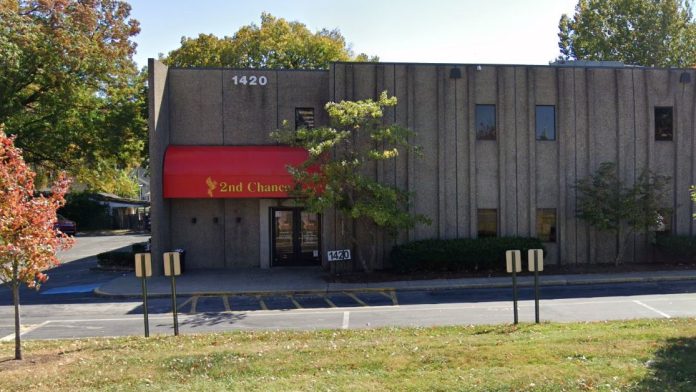
2nd Chance Clinic
1420 N Broadway
Lexington, KY 40505
 Sponsored
About 2nd Chance Clinic
2nd Chance Clinics of Lexington, Kentucky, is a private alcohol and opioid addiction treatment facility for adults. Their programs include medication assisted treatment and general outpatient treatment. They can also provide targeted case management and support for co occurring disorders. They can provide treatment for pregnant women.
Clinics like this one are a great option for those who aren't experiencing severe symptoms. They're more accessible and less restrictive, so you can better fit treatment into your life without having to give up things like work or school. This location even has walk in appointments throughout the week, so there's even greater flexibility as to when you can be seen. Treatment may include individual and group counseling.
If you're looking for a program with robust support, 2nd Chance Clinics can help through their targeted case management services. The staff works to connect you with resources in a broad range of areas, such as medical care and education.
2nd Chance Clinics accepts Anthem, Aetna, Passport, Humana, and Wellcare insurance plans.
Amenities
Private drug rehab provides a comfortable, secure environment that allows you to focus on doing the work to get your life back on track. Benefits include a higher staff-to-client ratio, increased one-on-one time with therapists and healthcare providers, private rooms for clients, and customized forms of therapy.
Addiction Treatment Programs
Adolescents and young adults who are struggling with addiction can get help at a young adult program in Kentucky. These programs offer specialized drug abuse treatment for individuals in their teens and 20s.
Recovery from addiction happens at an adult program in Kentucky. These treatment services provide the support needed to help men and women break the cycle of addiction and live a life free from substance dependence.
Alcohol rehab in Kentucky helps participants develop motivation to change, learn new coping skills, and achieve long-term sobriety. Treatment methods typically include individual and group therapy and 12-step support.
Opioid rehab in Kentucky teaches individuals strategies to overcome addiction. Through the use of multiple treatment modalities, such as behavioral, experiential, and medication addicted treatment, these programs help men and women achieve long-term sobriety.
Drug rehab in Kentucky often starts with detox, then includes inpatient or outpatient treatment, and continues with aftercare support. Specific methods used during each of these phases varies, but often include individual and group counseling, medication, and recreational therapies.
Men’s rehab in Kentucky often addresses both substance use disorders and co-occurring disorders. Men can seek treatment for drug or alcohol addiction as well as gender-specific treatment for depression, anxiety, bipolar disorder, PTSD, and ADHD.
Women’s rehab in Kentucky provides the opportunity for women to get support from their female peers. These connections can help women overcome challenges and achieve long-term recovery.
Levels of Care
Kentucky outpatient rehab experts will assess your needs and create a treatment program tailored to your recovery. Treatment typically includes several hours of counseling each week as well as group therapy. You’ll probably also attend a support group such as NA or AA. Length of treatment varies based on your needs.
Kentucky dual diagnosis treatment centers focus on treating mental health disorders alongside addiction. Common methods include counseling, medication management, relapse prevention, and cognitive-behavior therapy.
The process of cleansing your body of addictive substances is called detox. This is usually the first step of drug rehab in Kentucky. You’ll receive round-the-clock care during this time, including medication to alleviate withdrawal symptoms.
The goal of intervention services in Kentucky is to motivate your loved one to begin their journey toward recovery. These services can help you plan and facilitate an intervention, develop a treatment plan, and choose the best type of program for your loved one.
Accreditations
Contact Information


 Sponsored